
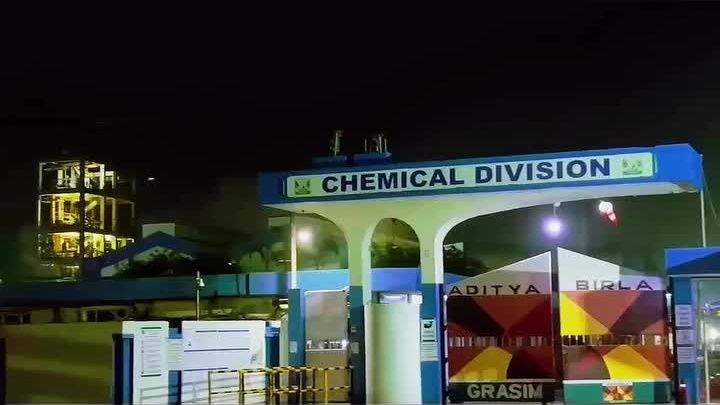

Karwar, the coastal gem of Karnataka, is globally renowned for its pristine beaches and the strategic naval base. However, nestled in the heart of this natural beauty lies a powerhouse of Indian industry—the Aditya Birla Group’s (Grasim Industries – Chemical Division) plant at Binaga.
This facility is not just a factory; it is a vital organ of India’s chemical sector. In this blog, we explore its history, technological evolution, and its profound impact on the local economy.
1. The Journey: From Solaris to Aditya Birla
The history of this plant is a story of transformation and strategic acquisition.
- The Solaris Era: The facility was originally established by Solaris Chemtech Industries (a part of the Thapar Group). It was strategically located in Binaga to leverage the proximity to the sea for salt and the logistics of the Karwar coast.
- The 2013 Acquisition: In May 2013, Aditya Birla Chemicals (India) Ltd acquired the Chlor-Alkali and Phosphoric Acid division of Solaris for approximately ₹153 crore. This move was a cornerstone in ABG’s plan to dominate the South Indian chemical market.
- The 2016 Merger: To streamline operations, the unit was eventually merged into Grasim Industries Limited, the flagship company of the Aditya Birla Group. Today, it stands as a key pillar of Grasim’s chemical portfolio.

2. Operational Excellence and Technological Shift
One of the most significant chapters in the plant’s history is its technological overhaul.
- Adopting Membrane Cell Technology: When the plant was acquired, it used older “Mercury Cell” technology, which posed environmental risks. Recognizing this, the Aditya Birla Group invested heavily to convert the entire process to Membrane Cell Technology. This move made the plant highly energy-efficient and eco-friendly.
- Production Powerhouse: The unit has an installed capacity of roughly 91,000 Tonnes Per Annum (TPA) of Caustic Soda.
- Primary Products: * Caustic Soda: Essential for the paper, detergent, and aluminum industries.
- Phosphoric Acid: Used in food processing (like soft drinks) and fertilizers.
- By-products: Liquid Chlorine, Hydrochloric Acid, and Sodium Hypochlorite, which are vital for water purification and sanitation.

3. Strategic Importance of the Binaga Location
The plant’s location in Karwar is no coincidence. It serves several strategic purposes:
- Supply Chain Synergy: The Caustic Soda produced here is sent to other group companies like Hindalco in Belagavi and Birla Cellulose in Harihar.
- Coastal Advantage: Being near the port and National Highway 66, it has an efficient distribution network across South and West India.
4. Commitment to Environment and Community (CSR)
Operating in a sensitive coastal ecosystem, the Binaga unit maintains high standards of Corporate Social Responsibility:
- Sustainability: The plant operates on Zero Liquid Discharge (ZLD) principles, ensuring that no untreated effluents reach the Arabian Sea.
- Local Welfare: Through the Aditya Birla Centre for Community Initiatives, the plant supports local government schools, provides mobile medical vans, and conducts skill-development programs for the fishing communities in Binaga.
- Green Belt: The facility is surrounded by an extensive green belt, contributing to the local biodiversity.

5. Looking Ahead (2026)
As of 2026, the Karwar unit continues to evolve. With the group’s recent entry into the paints business (Birla Opus) and industrial B2B platforms, the demand for chemicals produced at Binaga is higher than ever. The plant is also exploring renewable energy sources to further reduce its carbon footprint.
The Aditya Birla Chemical plant in Binaga is a testament to how industry and nature can coexist. It stands as a symbol of Karwar’s contribution to India’s industrial self-reliance, providing jobs and driving innovation while respecting the coastal environment.
Leave a Reply